2021你有哪些看见就迫不及待想摘抄下来的句子或文案?

1.我只身前行,却仿佛带着一万雄兵。——玛雅·安吉洛2.我当然不会试图摘月,我要月亮奔我而来。——奥黛丽·赫本3.懦夫在未死以前,就已经死过好多次;勇士一生只死一次。——莎士比亚4.你生而有翼,为何竟愿一生匍匐前进,形如虫蚁。——贾拉尔·阿德丁·鲁米5.青年者,人生之王,人生之春,人生之华也。——李大钊6.生活的「为什么」,就是生活的意思。——胡适7.任何值得做的事,做得糟糕也值得做。——杰克·吉尔伯特《失败与飞行》8.我与世界相遇,我自与世界相识,我自不辱使命,使我与众生相聚。——苏格拉底9.怎能让时光匆匆蹉跎了梦想,开始的路就不叫远方。——李健10.我欲穿花寻路,直入白云深处,浩气展虹霓。——黄庭坚
11.我的天空里没有太阳,总是黑夜,但并不暗,因为有东西代替了太阳。——东野圭吾12.信念是鸟,它在黎明仍然黑暗之际,感觉到了光明,唱出了歌。——泰戈尔13.我习于冷,志于成冰。——冰心14.人要有出世的精神,才可以做入世的事业。——朱光潜15.与其在绝望和挣扎中苟活,不如在希冀和盼望中死亡。——纪伯伦16.哪怕是这世界上的灰尘,太阳一出来,也是有歌有舞的。——《长恨歌》17.只要梦想的明灯还在燃烧,什么年纪去寻找它都不算太晚。——《中国青年报》18.人如果没有理想,那和咸鱼有什么区别?——《少林足球》19.任何值得为它而死的东西,肯定值得为它而生。——《第二十二条军规》20.也许大海给贝壳下的定义是珍珠。也许时间给煤炭下的定义是钻石。——《沙与沫》
21.既然风浪总会来临,与其做听天由命的沙堡,不如亲自站在风口浪尖上。——priest《残次品》22.纵有疾风起,人生不言弃。——瓦雷里《海滨墓园》23.如果结果并非所愿,那就在尘埃落定前奋力一搏。——《夏目友人帐》24.我不知将去何方,但我已经在路上。——《千与千寻》25.你在雨中行走,你从不打伞;你有自己的天空,它从不下雨。——《世界植满漏光的树》26.我们可以一次一次去撞南墙,但我们不能一个一个失去理想。——韩寒27.人是为明天活着的,因为记忆中有朝阳晓露。——老舍28.沉寂的渊底,却照着,永远红艳的春花。——冰心29.当我们真正热爱这世界时,我们才真正生活在这世上。——泰戈尔30.一个能够升起月亮的身体,必然驮住了无数次日落。——余秀华
31.我可以接受失败,但我不能接受放弃。——迈克尔·乔丹32.沉沉的黑夜都是白天的前奏。——郭小川33. 你看我越是穷途末路,我越是势如破竹。——网易云热评34.既然选择了远方,便只顾风雨兼程。——汪国真
01.没必要让所有人知道真实的你,或者是你没有必要不停地向人说其实我是一个什么样的人。因为这是无效的,人们还是只会愿意看到他们希望看到的。我甚至觉得你把真实的自己隐藏在这些误解背后还挺好的。
——陈丹青 《我们这个时代的怕和爱》
02.人与人的交往多半肤浅,或只有在较为肤浅的层面上,交往才是容易的,一旦走进深处,人与人就是相互的迷宫。
——史铁生
03.你告诉我,你在,仿佛就把一个春天还给了我;我抱着一个落日,就如同抱住了一个圆满。
——余秀华《相约春光》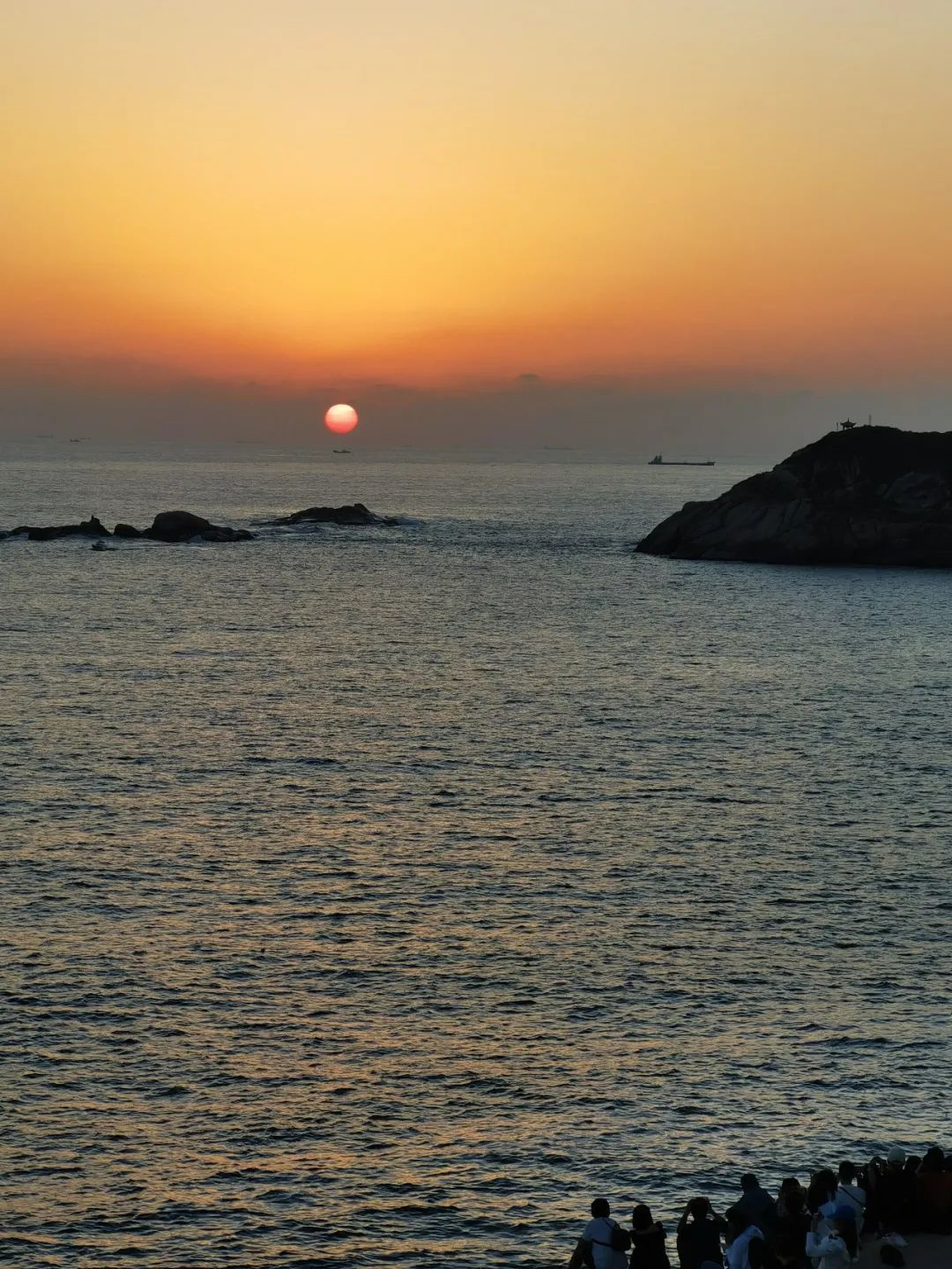
04.有些人觉得爱就是性,是婚姻,是清晨六点的吻和一堆孩子,或许爱就是这样。莱斯特小姐,但你知道我怎么想吗?我觉得爱是想要触碰却又收回手。
——塞林格《破碎故事之心》
05.“一个真正想死的人,不会再计较人们说什么。一个拿死说来说去的人,以我的经验来看并不是真的想死,而是……”“而是什么?”“而是还在……还在渴望爱。”
——史铁生《务虚笔记》
06.别为难自己,活得像你自己就行了。
—— 东野圭吾 《变身》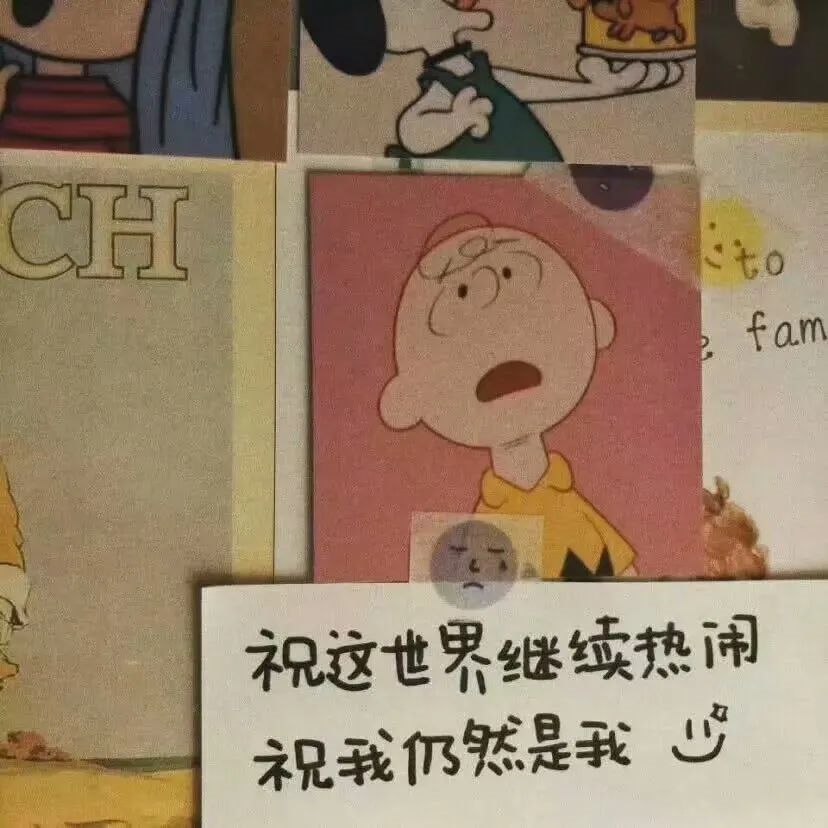
07.假如您此时此刻刚好陷入了困境,正饱受折磨,那么我很想告诉您:尽管眼下十分艰难,可日后这段经历说不定就会开花结果。
——村上春树
08.未经磨难的灵魂没有深度,没有风暴的海洋是池塘。
——《人民日报》
09.当你老了,回顾一生,就会发觉:什么时候出国读书,什么时候决定做第一份职业、何时选定了对象而恋爱、什么时候结婚,其实都是命运的巨变。只是当时站在三岔路口,眼见风云千樯,你作出选择的那一日,在日记上,相当沉闷和平凡,当时还以为是生命中普通的一天。
——陶杰《杀鹌鹑的少女》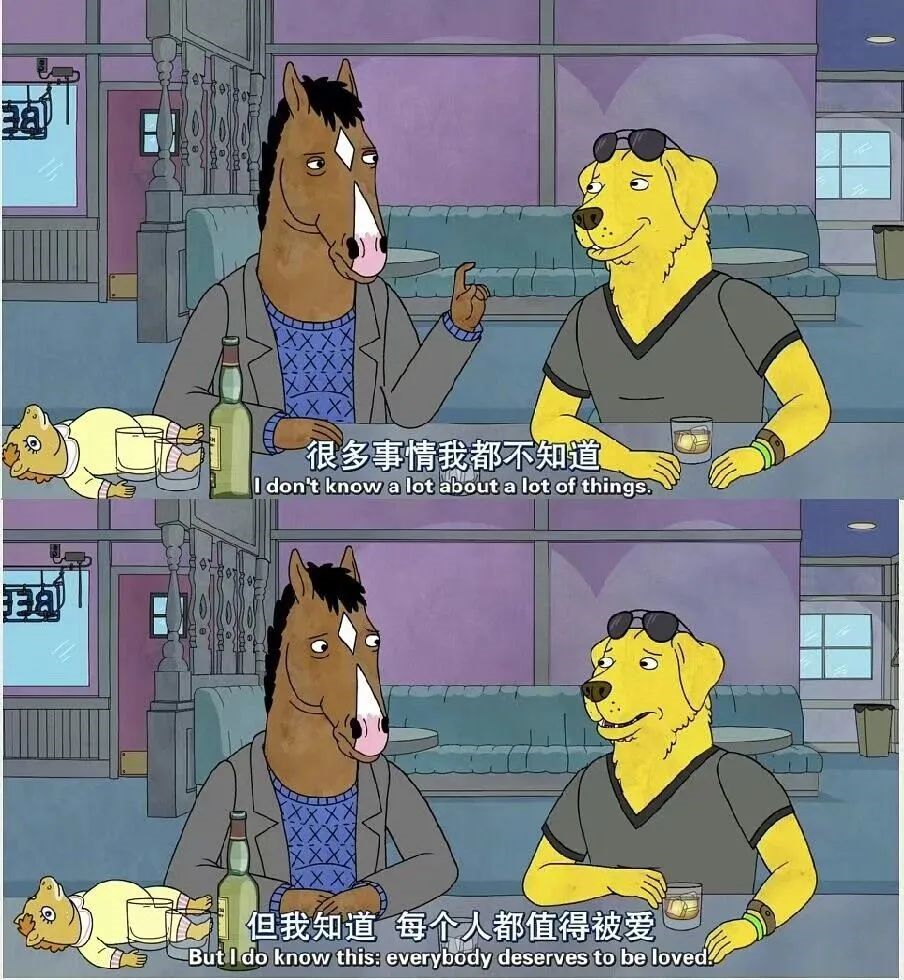
10.勇敢是:当你还未开始就已知道自己会输,可你依然要去做,而且无论如何都要把它坚持到底。你很少能赢,但有时也会。
——哈珀·李《杀死一只知更鸟》
11.“那咱们往哪走啊?”“往前走。”“哪是前啊?”“我对您透漏一个大秘密,这是人类最古老的玩笑。往哪走,都是往前走。”
——米兰?昆德拉《雅克和他的主人》
12.这是你的人生你只要做一些能让自己幸福的事就够了你喜欢谁都可以的这并不奇怪
——《以你的心诠释我的爱》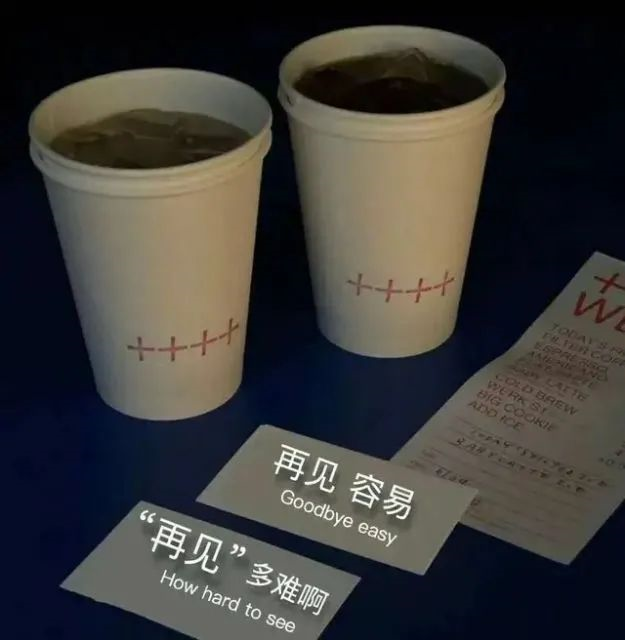
13.年少的时候,我觉得孤单是很酷的一件事情。长大后,我觉得孤单是很凄凉的一件事。现在,我觉得孤单不是一件事。
——斯蒂芬·金《肖生克的救赎》
14.晚上,多好的一个字,有好多事可以做,有好多音乐可以听,好多电影可以看,好多书可以读,好多朋友可以聊天辩论,有好多梦可以编织,于是晚上不愿说睡就睡。而早上呢,没有一天爬得起来。即使爬得起也不想起,因为梦还没做完。
——舒国治《理想的下午》
15.既然不知道要去哪儿,就没必要害怕,反正什么事都有可能发生。这么一想,心里反倒坦然了。
——古尔纳《囚笼》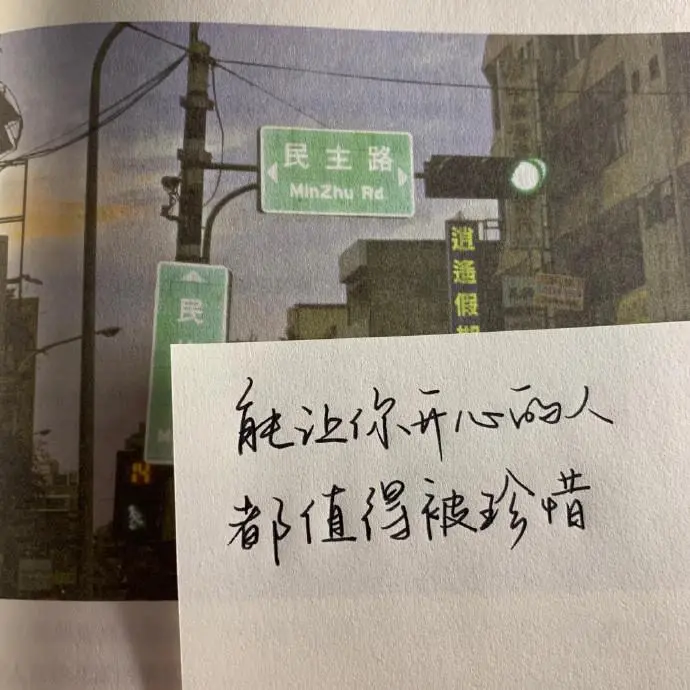
16.我深怕自己本非美玉,故而不敢加以刻苦琢磨,却又半信自己是块美玉,故而又不肯庸庸碌碌,与瓦砾为伍。于是我渐渐地脱离凡尘,疏远世人,结果便是一任愤懑与羞恨日益助长内心那怯弱的自尊心。
——中岛敦《山月记》
17.你一定要学会不害怕这个世界。不要像你现在这样被它束缚住。永远不要被它伤害,你比你想象的自由。
——安·兰德《源泉》
18.鹰对尸首也有兴趣,它们也是噬腐者。但它们不与乌鸦合流,保持着虚伪的高傲状态。
——莫言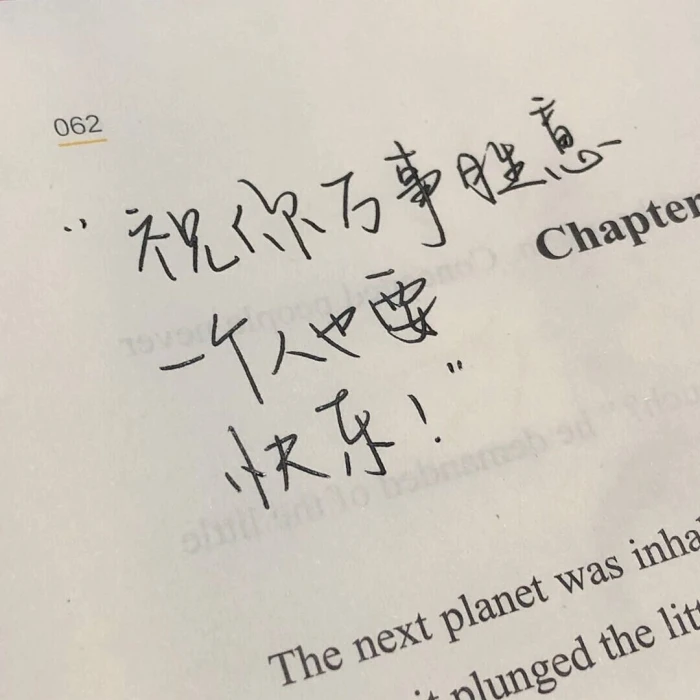
19.闭上眼睛,好好回想之前的努力,自信会喷涌而出。
——东野圭吾《放学后》
20.她可以褪色,可以枯萎,怎样都可以。但我只要看她一眼,万般柔情就涌上心头。
——《洛丽塔》
21.许多年过去了,人们说陈年旧事可以被埋葬,然而我终于明白这是错的,因为往事会自行爬上来。
——卡勒德·胡赛尼《追风筝的人》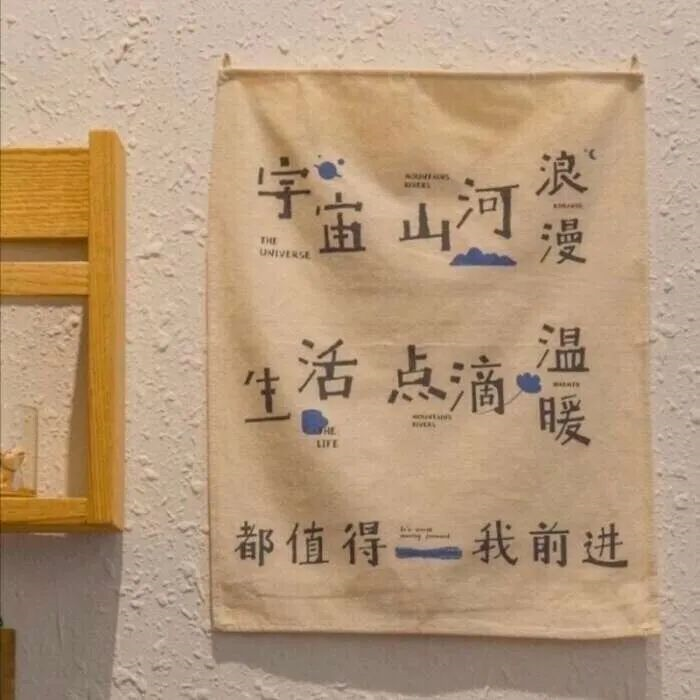
22.当人单纯、觉醒,不疑专注地穿行于人间,世界何其隽美又妩媚。
——黑塞《悉达多》
23.我们似乎总会在某一年,爆发性的长大,爆发性的觉悟,爆发性的知道某个真相。让原本没有什么意义的时间的刻度,成为一道分界线。
——《老灵魂》
24.人们相互蔑视,又相互奉承,人们各自希望自己高于别人,又各自匍匐在别人面前。
——《沉思录》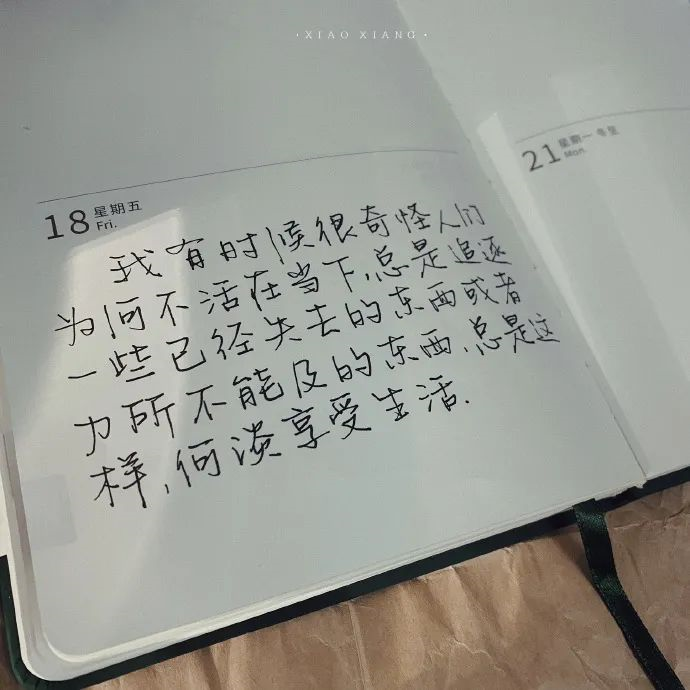
25.我将自己一人的懊恼锁进胸中的小盒,将忧愁、疲惫感藏得深而又深,一味装出天真无邪的乐观模样。
——《人间失格》
26.追风赶月莫停留,平芜尽出是春山。
——田歆
27.原谅我,事到如今还是热衷一些温热的谎言。
——余秀华《一无是处的遇见》
28.好运只是个副产品,只有当你不带任何私心杂念,单纯地去做事情时,它才会降临。
——马克·安德鲁斯《许愿池》文案图片均来源网络,侵删
感谢你一直看到最后!!
喜欢的话,记得点赞收藏再走呀!
嘻嘻嘻....
关注我╭?(  ̄ ▽ ̄)╭? @萝莉不是妹妹, 分享更多优质文案哦!!
”永远年轻,永远在路上。“
Jack Kerouac On the Road
摘抄
垮掉的一代&《在路上》
垮掉的一代是第二次世界大战后风行于美国的文学流派,被视为后现代主义文学的一个重要分支,也是美国文学历史上的重要流派之一。该流派的作家都是性格粗犷豪放、落拓不羁的男女青年,他们生活简单、不修边幅,喜穿奇装异服,厌弃工作和学业,对社会的一切都抱有背道而驰的态度,他们以浪迹天涯为乐,蔑视社会的法纪秩序。“垮掉的一代”实际上是“迷惘的一代”的对照。海明威在小说《太阳依旧升起》中塑造了“迷惘的一代”(Lost Generation),这个称谓来自美国著名作家斯泰因为《太阳依旧升起》题的一句词——“你们是迷惘的一代”。“迷惘的一代”指的是第一次世界大战后成长起来的年轻人(包括海明威在内),他们之所以对生活失去信念是由于战争的创伤,但他们并未因此而失去对人性的渴望。
“Beat Generation”——“垮掉的一代”又称为“疲惫的一代”。最早是由作家杰克·凯鲁亚克于1948年前后提出,“beat”一词有“疲惫”或“潦倒”之意,而凯鲁亚克赋予其新的含义“欢腾”或“幸福”,和音乐中“节拍”的概念联结在一起。
“垮掉的一代”对后世的西方文化产生了深远的影响,被文化研究学者们看作是第一支真正意义上的后现代“亚文化”。“垮掉派”作家并不是战后实验性文学创作的唯一实践者。许多其他小流派也参与了这一活动,包括:“愤怒的青年”(战后出现在英国的一个流派,人们经常将其和“垮掉的一派”互相比较);“黑山诗人”;“旧金山文艺复兴派”(从“垮掉的一代”中衍生出来的一个独立的流派)。
主要代表作品包括杰克·凯鲁亚克的《在路上》、艾伦·金斯堡的《嚎叫》和威廉·博罗斯的《裸体午餐》等。后两部作品由于内容“猥亵”而引起法庭的注意,但也为此类文学作品在美国出版的合法化进程做出了贡献。
【背景】二战结束,美国经济逐渐繁荣,中产阶级成为这个社会的中流砥柱,各个人家安分守己,遵循传统的伦理道德观念。但时刻面临的美苏冷战和核战争的威胁,使在这种表面顺从的局面下存在着涌动的暗流。压抑的气氛和无可预知的未来让青年人对这个世界失去了信心,他们需要的是充满激情,井喷式的爆发——他们吸毒,男女杂居,偷窃,流浪,种种让人无法接受的事他们都干。这种情感更富有冲击力,让很多人无法接受,这也是为什么垮掉一代毁誉参半。
【文学创作】“垮掉的一代”是一种赤裸裸的嚎叫,例如艾伦金斯堡和凯鲁亚克“直泻式”的写法,用一种最直接的方式把思想情感直接宣泄出来。
《在路上》是美国“垮掉的一代”作家杰克·凯鲁亚克创作的长篇小说,首次出版于1957年。这部小说绝大部分是自传性的,结构松散,断断续续,描写一群年轻人荒诞不经的生活经历,反映了战后美国青年的精神空虚和浑浑噩噩的状态,被公认为60年代嬉皮士运动和垮掉的一代的经典之作。杰克·凯鲁亚克说他消磨《在路上》的时间有7年,但用于写小说的时间只有3个星期。小说主要讲述主人公萨尔为了追求个性,与迪安、玛丽卢等几个年轻男女沿途搭车或开车,几次横越美国大陆,最终到了墨西哥,一路上他们狂喝滥饮,高谈东方禅宗,走累了就挡道拦车,夜宿村落,从纽约游荡到旧金山,最后作鸟兽散。
同时,书中体现了作者主张的即兴式自发性写作技巧:思绪的自然流动,反情节,大量使用俚语、俗语、不合语法规范的长句,并广泛涉及美国社会及文化习俗;另一方面,书中又展现了美国辽阔大地上的山川、平原、沙漠、城镇等。这部小说,同其他垮掉派作家和诗人的创作一样,明显继承和进一步发扬了惠特曼诗歌传统,突出地表现出“自发性写作”的性质和特点,使作品的思想内容和艺术风格达到了高度的统一。小说还具有浓郁的象征主义色彩,这种象征手法主要体现在三个方面:第一,在人物生活变化的同时,也伴随着季节的变化;第二,色彩意象和高度个性化的象征主义;第三,宗教方面的象征主义在整个故事中,叙述者不断追求的“它”是一个典型的追求形象。
这部作品对美国文学影响巨大,1957年《在路上》出版后,凯鲁亚克一夜成名。美国售出了亿万条牛仔裤和百万台煮咖啡机,并且促使无数青年人踏上了漫游之路。据2007年新闻显示,该书仍以10万册的销量在美国风行。
美国学者马库斯·坎利夫评:“他只是陈述,而不是传达,是闲谈而非写作。一如过去像他们那样过流浪生活的人,他们在创作上的努力都消耗在努力冒充创作上。这就像烹调术一样,做出来的东西当天就吃掉了,剩下来的只是一股淡淡的香味。而且他们重视自然,流露出这种差不多毁掉惠特曼大部分诗作的风气,使严肃的创作难于有成。他们的文体可能有助于美国日常语言的发展,却不能对美国文学有所贡献。它既艰涩又不清楚——是一种个人的、散漫的、愤世嫉俗而感伤的文体。”
Beat Generation
Being “beat” has several connotations. Initially, beat was used as slang, much in the same way we would use it today. It came to the attention of the young literary of the youth literary movement in NYC that “beat” was an apt description of a general attitude they all shared.
Being beat means being tired, “down and out”, or even temporarily defeated. Upon further examination, Jack Kerouac added other sometimes paradoxical or ironic meanings: a musical connotation and a spiritual meaning. “On the beat”. The Beat Generation was influenced heavily by the popular music of the time bebop, and later Jazz. “Beatific”. It is literally experiencing or bestowing celestial joy, or resembling an angel or a saint.
The Beat Generation is part of the birth of the “cool” in American culture. The idea of “cool” was typified by outsider status, a rejection of mainstream society, and usually self-destructive behavior.Jack Kerouac On the RoadAllen GinsbergWilliam Burroughs Naked Lunch
The Beats were almost uniformly opposed to being categorized. Despite the resistance to being “put in a box”, there are common themes and subject matter in their writing.Spontaneity, to the point of chaosRejection of “square” or conservative societyNon-conformity in general, both in content and styleOpen, uncensored emotionGritty subject material, often up close and personal, viewed as shocking and offensive by square society
On the Road
Part One
You saw that in the way he stood bobbing his head, always looking down, nodding, like a young boxer to instructions, to make you think he was listening to every word, throwing in a thousand ?Yeses? and ?That’s rights.?
(Jack Kerouac. On the Road. New York: The Viking Press. 1959. P4.)
?In other words we’ve got to get on the ball, darling, what I’m saying, otherwise it’ll be fluctuating and lack of true knowledge or crystallization of our plans.?
(Jack Kerouac. On the Road. New York: The Viking Press. 1959. P4.)
As we rode in the bus in the weird phosphorescent void of the Lincoln Tunnel we leaned on each other with fingers waving and yelled and talked excitedly, and I was beginning to get the bug like Dean.
(Jack Kerouac. On the Road. New York: The Viking Press. 1959. P5.)
?He was simply a youth tremendously excited with life, and though he was a con-man, he was only conning because he wanted so much to live and to get involved with people who would otherwise pay no attention to him.
(Jack Kerouac. On the Road. New York: The Viking Press. 1959. P5.)
?He was conning me and I knew it (for room and board and ?how to-write,? etc.), and he knew I knew (this has been the basis of our relationship), but I didn’t care and we got along fine - no pestering, no catering; we tiptoed around each other like heartbreaking new friends.
(Jack Kerouac. On the Road. New York: The Viking Press. 1959. P5.)
And a kind of holy lightning I saw flashing from his excitement and his visions, which he described so torrentially that people in buses looked around to see the ?overexcited nut.?
(Jack Kerouac. On the Road. New York: The Viking Press. 1959. P6.)
Two keen minds that they are, they took to each other at the drop of a hat. Two piercing eyes glanced into two piercing eyes - the holy conman with the shining mind, and the sorrowful poetic con-man with the dark mind that is Carlo Marx.
(Jack Kerouac. On the Road. New York: The Viking Press. 1959. P6.)
Their energies met head-on, I was a lout compared, I couldn’t keep up with them.
(Jack Kerouac. On the Road. New York: The Viking Press. 1959. P6.)
But then they danced down the streets like dingledodies, and I shambled after as I’ve been doing all my life after people who interest me, because the only people for me are the mad ones, the ones who are mad to live, mad to talk, mad to be saved, desirous of everything at the same time, the ones who never yawn or say a commonplace thing, but burn, burn, burn like fabulous yellow roman candles exploding like spiders across the stars and in the middle you see the blue centerlight pop and everybody goes ?Awww!?
(Jack Kerouac. On the Road. New York: The Viking Press. 1959. P6.)
?But Dean’s intelligence was every bit as formal and shining and complete, without the tedious intellectualness. And his ?criminality? was not something that sulked and sneered; it was a wild yeasaying overburst of American joy; it was Western, the west wind, an ode from the Plains, something new, long prophesied, long a-coming (he only stole cars for joy rides).
(Jack Kerouac. On the Road. New York: The Viking Press. 1959. P7.)
A western kinsman of the sun, Dean.
(Jack Kerouac. On the Road. New York: The Viking Press. 1959. P7.)
Somewhere along the line I knew there’d be girls, visions, everything; somewhere along the line the pearl would be handed to me.
(Jack Kerouac. On the Road. New York: The Viking Press. 1959. P7.)
And I swore I’d be in Chicago tomorrow, and made sure of that, taking a bus to Chicago, spending most of my money, and didn’t give a damn, just as long as I’d be in Chicago tomorrow.
(Jack Kerouac. On the Road. New York: The Viking Press. 1959. P10.)
And here for the first time in my life I saw my beloved Mississippi River, dry in the summer haze, low water, with its big rank smell that smells like the raw body of America itself because it washes it up.
(Jack Kerouac. On the Road. New York: The Viking Press. 1959. P11.)
I slept too, and took one little walk along the lonely brick walls illuminated by one lamp, with the prairie brooding at the end of each little street and the smell of the corn like dew in the night.
(Jack Kerouac. On the Road. New York: The Viking Press. 1959. P12.)
I woke up as the sun was reddening; and that was the one distinct time in my life, the strangest moment of all, when I didn’t know who I was - I was far away from home, haunted and tired with travel, in a cheap hotel room I’d never seen, hearing the hiss of steam outside, and the creak of the old wood of the hotel, and footsteps upstairs, and all the sad sounds, and I looked at the cracked high ceiling and really didn’t know who I was for about fifteen strange seconds. I wasn’t scared; I was just somebody else, some stranger, and my whole life was a haunted life, the life of a ghost. I was halfway across America, at the dividing line between the East of my youth and the West of my future, and maybe that’s why it happened right there and then, that strange red afternoon.
(Jack Kerouac. On the Road. New York: The Viking Press. 1959. P12.)
I kind of liked him; not because he was a good sort, as he later proved to be, but because he was enthusiastic about things.
(Jack Kerouac. On the Road. New York: The Viking Press. 1959. P13.)
Why in the middle nineteen thirties this place wasn’t nothing but a big dustcloud as far as the eye could see. You couldn’t breathe. The ground was black. I was here in those days.
(Jack Kerouac. On the Road. New York: The Viking Press. 1959. P14.)
I heard a great laugh, the greatest laugh in the world, and here came this rawhide old-timer Nebraska farmer with a bunch of other boys into the diner; you could hear his raspy cries clear across the plains, across the whole gray world of them that day. Everybody else laughed with him. He didn’t have a care in the world and had the hugest regard for everybody. I said to myself, Wham, listen to that man laugh. That’s the West, here I am in the West.
(Jack Kerouac. On the Road. New York: The Viking Press. 1959. P14.)
I took a big swig in the wild, lyrical, drizzling air of Nebraska.
(Jack Kerouac. On the Road. New York: The Viking Press. 1959. P17.)
There were two young city boys from Columbus, Ohio, high-school football players, chewing gum, winking, singing in the breeze, and they said they were hitchhiking around the United States for the summer. ?We’re going to LA! ? they yelled.
?What are you going to do there??
?Hell, we don’t know. Who cares??
(Jack Kerouac. On the Road. New York: The Viking Press. 1959. P17.)
They never stopped smiling. I tried to talk to them - a kind of dumb attempt on my part to befriend the captains of our ship - and the only responses I got were two sunny smiles and large white corn-fed teeth.
(Jack Kerouac. On the Road. New York: The Viking Press. 1959. P18.)
We all had a shot, and suddenly I looked, and the verdant farmfields of the Platte began to disappear and in their stead, so far you couldn’t see to the end, appeared long flat wastelands of sand and sagebrush. I was astounded.
(Jack Kerouac. On the Road. New York: The Viking Press. 1959. P18.)
?The great blazing stars came out, the far-receding sand hills got dim. I felt like an arrow that could shoot out all the way.
(Jack Kerouac. On the Road. New York: The Viking Press. 1959. P18.)
Every shot was wiped away by the rushing wind of the open truck, wiped away of its bad effects, and the good effect sank in my stomach.
(Jack Kerouac. On the Road. New York: The Viking Press. 1959. P20.)
?I hope you get where you’re going, and be happy when you do.?
?I always make out and move along one way or the other.?
(Jack Kerouac. On the Road. New York: The Viking Press. 1959. P21.)
The floors of bus stations are the same all over the country, always covered with butts and spit and they give a feeling of sadness that only bus stations have. For a moment it was no different from being in Newark, except for the great hugeness outside that I loved so much. I rued the way I had broken up the purity of my entire trip, not saving every dime, and dawdling and not really making time, fooling around with this sullen girl and spending all my money. It made me sick. I hadn’t slept in so long I got too tired to curse and fuss and went off to sleep; I curled up on the seat with my canvas bag for a pillow, and slept till eight o’clock in the morning among the dreamy murmurs and noises of the station and of hundreds of people passing.
(Jack Kerouac. On the Road. New York: The Viking Press. 1959. P24.)
Just ahead, over the rolling wheatfields all golden beneath the distant snows of Estes, I’d be seeing old Denver at last. I pictured myself in a Denver bar that night, with all the gang, and in their eyes I would be strange and ragged and like the Prophet who has walked across the land to bring the dark Word, and the only Word I had was ?Wow!?
(Jack Kerouac. On the Road. New York: The Viking Press. 1959. P24.)
Carlo and I went through rickety streets in the Denver night. The air was soft, the stars so fine, the promise of every cobbled alley so great, that I thought I was in a dream.
(Jack Kerouac. On the Road. New York: The Viking Press. 1959. P28.)
The nights in Denver are cool, and I slept like a log.
(Jack Kerouac. On the Road. New York: The Viking Press. 1959. P29.)
It was a wonderful night. Central City is two miles high; at first you get drunk on the altitude, then you get tired, and there’s a fever in your soul. We approached the lights around the opera house down the narrow dark street; then we took a sharp right and hit some old saloons with swinging doors. Most of the tourists were in the opera. We started off with a few extra-size beers. There was a player piano. Beyond the back door was a view of mountainsides in the moonlight. I let out a yahoo. The night was on.
(Jack Kerouac. On the Road. New York: The Viking Press. 1959. P34.)
??I wished Dean and Carlo were there - then I realized they’d be out of place and unhappy. They were like the man with the dungeon stone and the gloom, rising from the underground, the sordid hipsters of America, a new beat generation that I was slowly joining.
(Jack Kerouac. On the Road. New York: The Viking Press. 1959. P34.)
?What the hell’s the matter? Any fights? Just call on me.? Great laughter rang from all sides. I wondered what the Spirit of the Mountain was thinking, and looked up and saw jackpines in the moon, and saw ghosts of old miners, and wondered about it. In the whole eastern dark wall of the Divide this night there was silence and the whisper of the wind, except in the ravine where we roared; and on the other side of the Divide was the great Western Slope, and the big plateau that went to Steamboat Springs, and dropped, and led you to the western Colorado desert and the Utah desert; all in darkness now as we fumed and screamed in our mountain nook, mad drunken Americans in the mighty land. We were on the roof of America and all we could do was yell, I guess - across the night, eastward over the Plains, where somewhere an old man with white hair was probably walking toward us with the Word, and would arrive any minute and make us silent.
(Jack Kerouac. On the Road. New York: The Viking Press. 1959. P35.)
Suddenly we came down from the mountain and overlooked the great sea-plain of Denver; heat rose as from an oven. We began to sing songs. I was itching to get on to San Francisco.
(Jack Kerouac. On the Road. New York: The Viking Press. 1959. P35.)
?What do you want out of life?? I asked, and I used to ask that all the time of girls.
?I don’t know,? she said. ?Just wait on tables and try to get along.? She yawned. I put my hand over her mouth and told her not to yawn. I tried to tell her how excited I was about life and the things we could do together; saying that, and planning to leave Denver in two days. She turned away wearily. We lay on our backs, looking at the ceiling and wondering what God had wrought when He made life so sad. We made vague plans to meet in Frisco.
(Jack Kerouac. On the Road. New York: The Viking Press. 1959. P36.)
Not courting talk - real straight talk about souls, for life is holy and every moment is precious. I heard the Denver and Rio Grande locomotive howling off to the mountains. I wanted to pursue my star further.
(Jack Kerouac. On the Road. New York: The Viking Press. 1959. P36.)
I wanted to see him do it; I wanted to see Denver ten years ago when they were all children, and in the sunny cherry blossom morning of springtime in the Rockies rolling their hoops up the joyous alleys full of promise – the whole gang. And Dean, ragged and dirty, prowling by himself in his preoccupied frenzy.
(Jack Kerouac. On the Road. New York: The Viking Press. 1959. P37.)
Warm, palmy air – air you can kiss - and palms. Along the storied Sacramento River on a superhighway; into the hills again; up, down; and suddenly the vast expanse of bay (it was just before dawn) with the sleepy lights of Frisco festooned across.
(Jack Kerouac. On the Road. New York: The Viking Press. 1959. P38.)
He slapped me on the back, he punched Lee Ann in the ribs, he leaned on the wall and laughed and cried, he pounded the table so you could hear it everywhere in Mill City, and that great long ?Aaaaah? resounded around the canyon.
(Jack Kerouac. On the Road. New York: The Viking Press. 1959. P39.)
This Mr. Snow began his laugh from the supper table when his old wife said something casual; he got up, apparently choking, leaned on the wall, looked up to heaven, and started; he staggered through the door, leaning on neighbors’ walls; he was drunk with it, he reeled throughout Mill City in the shadows, raising his whooping triumphant call to the demon god that must have prodded him to do it.
(Jack Kerouac. On the Road. New York: The Viking Press. 1959. P39.)
I sat in the office with my feet on the desk, reading Blue Book adventures about Oregon and the north country, when suddenly I realized there was a great hum of activity in the usually quiet night. I went out. Lights were burning in practically every damned shack on the grounds. Men were shouting, bottles were breaking. It was do or die for me.
(Jack Kerouac. On the Road. New York: The Viking Press. 1959. P41.)
The old cop went on, sweetly reminiscing about the horrors of Alcatraz.
(Jack Kerouac. On the Road. New York: The Viking Press. 1959. P42.)
He came to the door looking twice as ugly as usual. When Remi opened it he saw a haggard face suppurated with hatred and dull fury.
(Jack Kerouac. On the Road. New York: The Viking Press. 1959. P43.)
Remi was just like a little boy. Somewhere in his past, in his lonely schooldays in France, they’d taken everything from him; his stepparents just stuck him in schools and left him there; he was browbeaten and thrown out of one school after another; he walked the French roads at night devising curses out of his innocent stock of words. He was out to get back everything he’d lost; there was no end to his loss; this thing would drag on forever.
(Jack Kerouac. On the Road. New York: The Viking Press. 1959. P43.)
I said to Remi, ?I’d love to sleep in this old ship some night when the fog comes in and the thing creaks and you hear the big B-O of the buoys.?
(Jack Kerouac. On the Road. New York: The Viking Press. 1959. P45.)
?It’s all right,? Remi just said quietly. ?It’s perfectly all right. When I took up with you I didn’t expect roses and moonshine and I’m not surprised this day. I tried to do a few things for you - I tried my best for both of you; you’ve both let me down. I’m terribly, terribly disappointed in both of you,? e continued in absolute sincerity. ?I thought something would come of us together, something fine and lasting, I tried, I flew to Hollywood, I got Sal a job, I bought you beautiful dresses, I tried to introduce you to the finest people in San Francisco. You refused, you both refused to follow the slightest wish I had. I asked for nothing in return. Now I ask for one last favor and then I’ll never ask a favor again. My stepfather is coming to San Francisco next Saturday night. All I ask is that you come with me and try to look as though everything is the way I’ve written him. In other words, you, Lee Ann, you are my girl, and you, Sal, you are my friend. I’ve arranged to borrow a hundred dollars for Saturday night. I’m going to see that my father has a good time and can go away without any reason in the world to worry about me.?
(Jack Kerouac. On the Road. New York: The Viking Press. 1959. P47.)
So I stayed another day. It was Sunday. A great heat wave descended; it was a beautiful day, the sun turned red at three. I started up the mountain and got to the top at four. All those lovely California cottonwoods and eucalypti brooded on all sides. Near the peak there were no more trees, just rocks and grass. Cattle were grazing on the top of the coast. There was the Pacific, a few more foothills away, blue and vast and with a great wall of white advancing from the legendary potato patch where Frisco fogs are born. Another hour and it would come streaming through the Golden Gate to shroud the romantic city in white, and a young man would hold his girl by the hand and climb slowly up a long white sidewalk with a bottle of Tokay in his pocket. That was Frisco; and beautiful women standing in white doorways, waiting for their men; and Coit Tower, and the Embarcadero, and Market Street, and the eleven teeming hills.
I spun around till I was dizzy; I thought I’d fall down as in a dream, clear off the precipice. Oh where is the girl I love? I thought, and looked everywhere, as I had looked everywhere in the little world below. And before me was the great raw bulge and bulk of my American continent; somewhere far across, gloomy, crazy New York was throwing up its cloud of dust and brown steam. There is something brown and holy about the East; and California is white like washlines and emptyheaded - at least that’s what I thought then.
(Jack Kerouac. On the Road. New York: The Viking Press. 1959. P48.)
【景】Trains howl away across the valley. The sun goes down long and red. All the magic names of the valley unrolled - Manteca, Madera, all the rest. Soon it got dusk, a grapy dusk, a purple dusk over tangerine groves and long melon fields; the sun the color of pressed grapes, slashed with burgundy red, the fields the color of love and Spanish mysteries. I stuck my head out the window and took deep breaths of the fragrant air. It was the most beautiful of all moments.
(Jack Kerouac. On the Road. New York: The Viking Press. 1959. P49.)
?LA.? I loved the way she said ?LA?; I love the way everybody says ?LA? on the Coast; it’s their one and only golden town when all is said and done, ?That’s where I’m going too!? I cried.
(Jack Kerouac. On the Road. New York: The Viking Press. 1959. P50.)
The bus groaned up Grapevine Pass and then we were coming down into the great sprawls of light. Without coming to any particular agreement we began holding hands, and in the same way it was mutely and beautifully and purely decided that when I got my hotel room in LA she would be beside me.
(Jack Kerouac. On the Road. New York: The Viking Press. 1959. P50.)
I looked greedily out tine window: stucco houses and palms and drive-ins, the whole mad thing, the ragged promised land, the fantastic end of America. We got off the bus at Main Street, which was no different from where you get off a bus in Kansas City or Chicago or Boston - red brick, dirty, characters drifting by, trolleys grating in the hopeless dawn, the whorey smell of a big city.
(Jack Kerouac. On the Road. New York: The Viking Press. 1959. P50.)
I was tired and felt strange and lost in a faraway, disgusting place. The goof of terror took over my thoughts and made me act petty and cheap.
(Jack Kerouac. On the Road. New York: The Viking Press. 1959. P50.)
Our minds, with their store of madness, had diverged.
(Jack Kerouac. On the Road. New York: The Viking Press. 1959. P51.)
I made love to her in the sweetness of the weary morning. Then, two tired angels of some kind, hung-up forlornly in an LA shelf, having found the closest and most delicious thing in life together, we fell asleep and slept till late afternoon.
(Jack Kerouac. On the Road. New York: The Viking Press. 1959. P51.)
?I never felt sadder in my life. LA is the loneliest and most brutal of American cities; New York gets god-awful cold in the winter but there’s a feeling of wacky comradeship somewhere in some streets. LA is a jungle.
(Jack Kerouac. On the Road. New York: The Viking Press. 1959. P52.)
?The beatest characters in the country swarmed on the sidewalks - all of it under those soft Southern California stars that are lost in the brown halo of the huge desert encampment LA really is.
(Jack Kerouac. On the Road. New York: The Viking Press. 1959. P52.)
Hollywood Boulevard was a great, screaming frenzy of cars; there were minor accidents at least once a minute; everybody was rushing off toward the farthest palm - and beyond that was the desert and nothingness.
(Jack Kerouac. On the Road. New York: The Viking Press. 1959. P52.)
??But there were no jobs to be had, and much confusion, with everybody giving us innumerable tips, and no job materialized. Nevertheless we ate a Chinese dinner and set out with reinforced bodies.
(Jack Kerouac. On the Road. New York: The Viking Press. 1959. P54.)
The beautiful green countryside of October in California reeled by madly. I was guts and juice again and ready to go.
(Jack Kerouac. On the Road. New York: The Viking Press. 1959. P55.)
Everywhere in America I’ve been in crossroads saloons drinking with dull; whole families. The kids eat popcorn and chips and play in back. This we did. Rickey and I and Ponzo and Terry sat drinking and shouting with the music; little baby Johnny goofed with other children around the jukebox. The sun began to get red. Nothing had been accomplished. What was there to accomplish?
(Jack Kerouac. On the Road. New York: The Viking Press. 1959. P55.)
Guitars tinkled. Terry and I gazed at the stars together and kissed. ?Manana? she said. ?Everything’ll be all right tomorrow, don’t you think, Sal-honey, man??
?Sure, baby, manana.? It was always manana. For the next week that was all I heard - manana, a lovely word and one that probably means heaven.
(Jack Kerouac. On the Road. New York: The Viking Press. 1959. P56.)
We bent down and began picking cotton. It was beautiful. Across the field were the tents, and beyond them the brown cottonfields that stretched out of sight to the brown arroyo foothills and then the snow-capped Sierras in the morning air. This was so much better than washing dishes South Main Street.
(Jack Kerouac. On the Road. New York: The Viking Press. 1959. P57.)
There was an old Negro couple in the field with They picked cotton with the same God-blessed patience the grandfathers had practiced in ante-bellum Alabama; the moved right along their rows, bent and blue, and their bag increased. My back began to ache. But it was beautiful kneeling and hiding in that earth. If I felt like resting I did, my face on the pillow of brown moist earth. Birds an accompaniment. I thought I had found my life’s work.
(Jack Kerouac. On the Road. New York: The Viking Press. 1959. P57.)
Her five brothers were singing melodious songs in Spanish. The stars bent over the little roof; smoke poked from the stovepipe chimney. I smelled mashed beans and chili. The old man growled. The brothers kept right on yodeling. The mother was silent. Johnny and the kids were giggling in the bedroom. A California home; I hid in the grapevines, digging it all. I felt like a million dollars; I was adventuring in the crazy American night.
(Jack Kerouac. On the Road. New York: The Viking Press. 1959. P59.)
The stars folded over the sleeping countryside.
(Jack Kerouac. On the Road. New York: The Viking Press. 1959. P60.)
We turned at a dozen paces, for love is a duel, and looked at each other for the last time.
(Jack Kerouac. On the Road. New York: The Viking Press. 1959. P60.)
As I labored at this absurd task, great Kleig lights of a Hollywood premiere stabbed in the sky, that humming West Coast sky. All around me were the noises of the crazy gold-coast city. And this was my Hollywood career - this was my last night in Hollywood, and I was spreading mustard on my lap in back of a parking-lot John.
(Jack Kerouac. On the Road. New York: The Viking Press. 1959. P60.)
I had a book with me I stole from a Hollywood stall, ?Le Grand Meaulnes? by Alain-Fournier, but I preferred reading the American landscape as we went along. Every bump, rise, and stretch in it mystified my longing. In inky night we crossed New Mexico; at gray dawn it was Dalhart, Texas; in the bleak Sunday afternoon we rode through one Oklahoma flat-town after another; at nightfall it was Kansas. The bus roared on. I was going home in October. Everybody goes home in October.
(Jack Kerouac. On the Road. New York: The Viking Press. 1959. P61.)
We arrived in St. Louis at noon. I took a walk down by the Mississippi River and watched the logs that came floating from Montana in the north - grand Odyssean logs of our continental dream. Old steamboats with their scrollwork more scrolled and withered by weathers sat in the mud inhabited by rats. Great clouds of afternoon overtopped the Mississippi Valley. The bus roared through Indiana cornfields that night; the moon illuminated the ghostly gathered husks; it was almost Halloween.
(Jack Kerouac. On the Road. New York: The Viking Press. 1959. P61.)
It is a terrifying river. It has bushy cliffs on both sides that lean like hairy ghosts over the unknown waters. Inky night covers all. Sometimes from the railyards across the river rises a great red locomotive flare that illuminates the horrid cliffs.
(Jack Kerouac. On the Road. New York: The Viking Press. 1959. P61.)
I suddenly saw the little hobo standing under a sad streetlamp with his thumb stuck out - poor forlorn man, poor lost sometime boy, now broken ghost of the penniless wilds.
(Jack Kerouac. On the Road. New York: The Viking Press. 1959. P62.)
The last I saw of him was his bobbing little white bag dissolving in the darkness of the mournful Alleghenies.
(Jack Kerouac. On the Road. New York: The Viking Press. 1959. P62.)
I thought all the wilderness of America was in the West till the Ghost of the Susquehanna showed me different. No, there is a wilderness in the East; it’s the same wilderness Ben Franklin plodded in the oxcart days when he was postmaster, the same as it was when George Washington was a wildbuck Indian-fighter, when Daniel Boone told stories by Pennsylvania lamps and promised to find the Gap, when Bradford built his road and men whooped her up in log cabins. There were not great Arizona spaces for the little man, just the bushy wilderness of eastern Pennsylvania, Maryland, and Virginia, the backroads, the black-tar roads that curve among the mournful rivers like Susquehanna, Monongahela, old Potomac and Monocacy.
(Jack Kerouac. On the Road. New York: The Viking Press. 1959. P62.)
??Isn’t it true that you start your life a sweet child believing in everything under your father’s roof? Then comes the day of the Laodiceans, when you know you are wretched and miserable and poor and blind and naked, and with the visage of a gruesome grieving ghost you go shuddering through nightmare life.
(Jack Kerouac. On the Road. New York: The Viking Press. 1959. P62.)
I was all alone in the car, waiting for him as he made business calls in Allentown, and I laughed and laughed. Gad, I was sick and tired of life. But the madman drove me home to New York.
(Jack Kerouac. On the Road. New York: The Viking Press. 1959. P62.)
Suddenly I found myself on Times Square. I had traveled eight thousand miles around the American continent and I was back on Times Square; and right in the middle of a rush hour, too, seeing with my innocent road-eyes the absolute madness and fantastic hoorair of New York with its millions and millions hustling forever for a buck among themselves, the mad dream - grabbing, taking, giving, sighing, dying, just so they could be buried in those awful cemetery cities beyond Long Island City. The high towers of the land - the other end of the land, the place where Paper America is born.
(Jack Kerouac. On the Road. New York: The Viking Press. 1959. P63.)
Dean had come to my house, slept several nights there, waiting for me; spent afternoons talking to my aunt as she worked on a great rag rug woven of all the clothes in my family for years, which was now finished and spread on my bedroom floor, as complex and as rich as the passage of time itself.
(Jack Kerouac. On the Road. New York: The Viking Press. 1959. P63.)
Part Two
This was the new and complet Dean, grown to maturity. I said to myself, My God,, he’s changed. Fury spat out of his eyes when he told of things he hated; great glows of joy replaced this when he suddenly got happy; every muscle twitched to live and go.
(Jack Kerouac. On the Road. New York: The Viking Press. 1959. P67.)
And then we’ll all go off to sweet life, ‘cause now is the time and we all know time!
(Jack Kerouac. On the Road. New York: The Viking Press. 1959. P67.)
His laugh was. maniacal; it started low and ended high, exactly like the laugh of a radio maniac, only faster and more like a titter. Then he kept reverting to businesslike tones.
(Jack Kerouac. On the Road. New York: The Viking Press. 1959. P67.)
I had been spending a quiet Christmas in the country, as I realized when we got back into the house and I saw the Christmas tree, the presents, and smelled the roasting turkey and listened to the talk of the relatives, but now the bug was on me again, and the bug’s name was Dean Moriarty and 1 was off on another spurt around the road.
(Jack Kerouac. On the Road. New York: The Viking Press. 1959. P68.)
It was a completely meaningless set of circumstances that made Dean come, and similarly I went off with him for no reason.
(Jack Kerouac. On the Road. New York: The Viking Press. 1959. P69.)
?I want to marry a girl,? I told them, ?so I can rest my soul with her till we both get old. This can’t go on all the time - all this franticness and jumping around. We’ve got to go someplace, find something.?
(Jack Kerouac. On the Road. New York: The Viking Press. 1959. P69.)
When daybreak came we were zooming through New Jersey with the great cloud of Metropolitan New York rising before us in the snowy distance.
(Jack Kerouac. On the Road. New York: The Viking Press. 1959. P69.)
So now Dean had come about four thousand miles from Frisco, via Arizona and up to Denver, inside four days, with innumerable adventures sandwiched in, and it was only the beginning.
(Jack Kerouac. On the Road. New York: The Viking Press. 1959. P69.)
???What is the meaning of this voyage to New York? What kind of sordid business are you on now? I mean, man, whither goest thou? Whither goest thou, America, in thy shiny car in the night??
?Whither goest thou?? echoed Dean with his mouth open. We sat and didn’t know what to say; there was nothing to talk about any more. The only thing to do was go.
(Jack Kerouac. On the Road. New York: The Viking Press. 1959. P70.)
Furthermore we know America, we’re at home; I can go anywhere in America and get what I want because it’s the same in every corner, I know the people, I know what they do. We give and take and go in the incredibly complicated sweetness zigzagging every side.
(Jack Kerouac. On the Road. New York: The Viking Press. 1959. P71.)
?I don’t know,? he said. ?I just go along. I dig life.? He repeated it, following Dean’s line. He had no direction. He sat reminiscing about that night in Chicago and the hot coffee cakes in the lonely room.
(Jack Kerouac. On the Road. New York: The Viking Press. 1959. P73.)
??The radio had been fixed and now he had wild bop to urge us along the night. I didn’t know where all this was leading; I didn’t care.
(Jack Kerouac. On the Road. New York: The Viking Press. 1959. P73.)
Something, someone, some spirit was pursuing all of us across the desert of life and was bound to catch us before we reached heaven. Naturally, now that I look back on it, this is only death: death will overtake us before heaven. The one thing that we yearn for in our living days, that makes us sigh and groan and undergo sweet nauseas of all kinds, is the remembrance of some lost bliss that was probably experienced in the womb and can only be reproduced (though we hate to admit it) in death. But who wants to die?
(Jack Kerouac. On the Road. New York: The Viking Press. 1959. P73.)
??Besides which Lucille would never understand me because I like too many things and get all confused and hung-up running from one falling star to another till I drop. This is the night, what it does to you. I had nothing to offer anybody except my own confusion.
(Jack Kerouac. On the Road. New York: The Viking Press. 1959. P74.)
It made me think that everything was about to arrive - the moment when you know all and everything is decided forever.
(Jack Kerouac. On the Road. New York: The Viking Press. 1959. P76.)
It was drizzling and mysterious at the beginning of our journey. I could see that it was all going to be one big saga of the mist.
(Jack Kerouac. On the Road. New York: The Viking Press. 1959. P80.)
??We were all delighted, we all realized we were leaving confusion and nonsense behind and performing our one and noble function of the time, move.
(Jack Kerouac. On the Road. New York: The Viking Press. 1959. P80.)
We all must admit that everything is fine and there’s no need in the world to worry, and in fact we should realize what it would mean to us to UNDERSTAND that we’re not REALLY worried about ANYTHING.
(Jack Kerouac. On the Road. New York: The Viking Press. 1959. P80.)
But why think about that when all the golden land’s ahead of you and all kinds of unforeseen events wait lurking to surprise you and make you glad you’re alive to see?
(Jack Kerouac. On the Road. New York: The Viking Press. 1959. P80.)
There was nothing to do but get happy with ourselves again and forget about it. When we got through Richmond we began forgetting about it, and soon everything was okay.
(Jack Kerouac. On the Road. New York: The Viking Press. 1959. P81.)
He and I suddenly saw the whole country like an oyster for us to open; and the pearl was there, the pearl was there.
(Jack Kerouac. On the Road. New York: The Viking Press. 1959. P82.)
We got out of the car for air and suddenly both of us were stoned with joy to realize that in the darkness all around us was fragrant green grass and the smell of fresh manure and warm waters.
(Jack Kerouac. On the Road. New York: The Viking Press. 1959. P82.)
The air was so sweet in New Orleans it seemed to come in soft bandannas; and you could smell the river and really smell the people, and mud, and molasses, and every kind of tropical exhalation with your nose suddenly removed from the dry ices of a Northern winter. We bounced in our seats.
(Jack Kerouac. On the Road. New York: The Viking Press. 1959. P83.)
On rails we leaned and looked at the great brown father of waters rolling down from mid-America like the torrent of broken souls - bearing Montana logs and Dakota muds and Iowa vales and things that had drowned in Three Forks, where the secret began in ice. Smoky New Orleans receded on one side; old, sleepy Algiers with its warped woodsides bumped us on the other.
(Jack Kerouac. On the Road. New York: The Viking Press. 1959. P83.)
From bushy shores where infinitesimal men fished with sticks, and from delta sleeps that stretched up along the reddening land, the big humpbacked river with its mainstream leaping came coiling around Algiers like a snake, with a nameless rumble. Drowsy, peninsular Algiers with all her bees and shanties was like to be washed away someday. The sun slanted, bugs flip-flopped, the awful waters groaned.
(Jack Kerouac. On the Road. New York: The Viking Press. 1959. P84.)
There was a mystic wraith of fog over the brown waters that night, together with dark driftwoods; and across the way New Orleans glowed orange-bri